“You can’t defend. You can’t prevent. The only thing you can do is detect and respond”
(Bruce Schneier)
Welcome to the PurPest Project website
“You can’t defend. You can’t prevent. The only thing you can do is detect and respond”
(Bruce Schneier)
Welcome to the PurPest Project website
“You can’t defend. You can’t prevent. The only thing you can do is detect and respond”
(Bruce Schneier)
Welcome to the PurPest Project website
“You can’t defend. You can’t prevent. The only thing you can do is detect and respond”
(Bruce Schneier)
Welcome to the PurPest Project website
“You can’t defend. You can’t prevent. The only thing you can do is detect and respond”
(Bruce Schneier)
PurPest aligns sensor validation roadmap ahead of field deployment phase
News
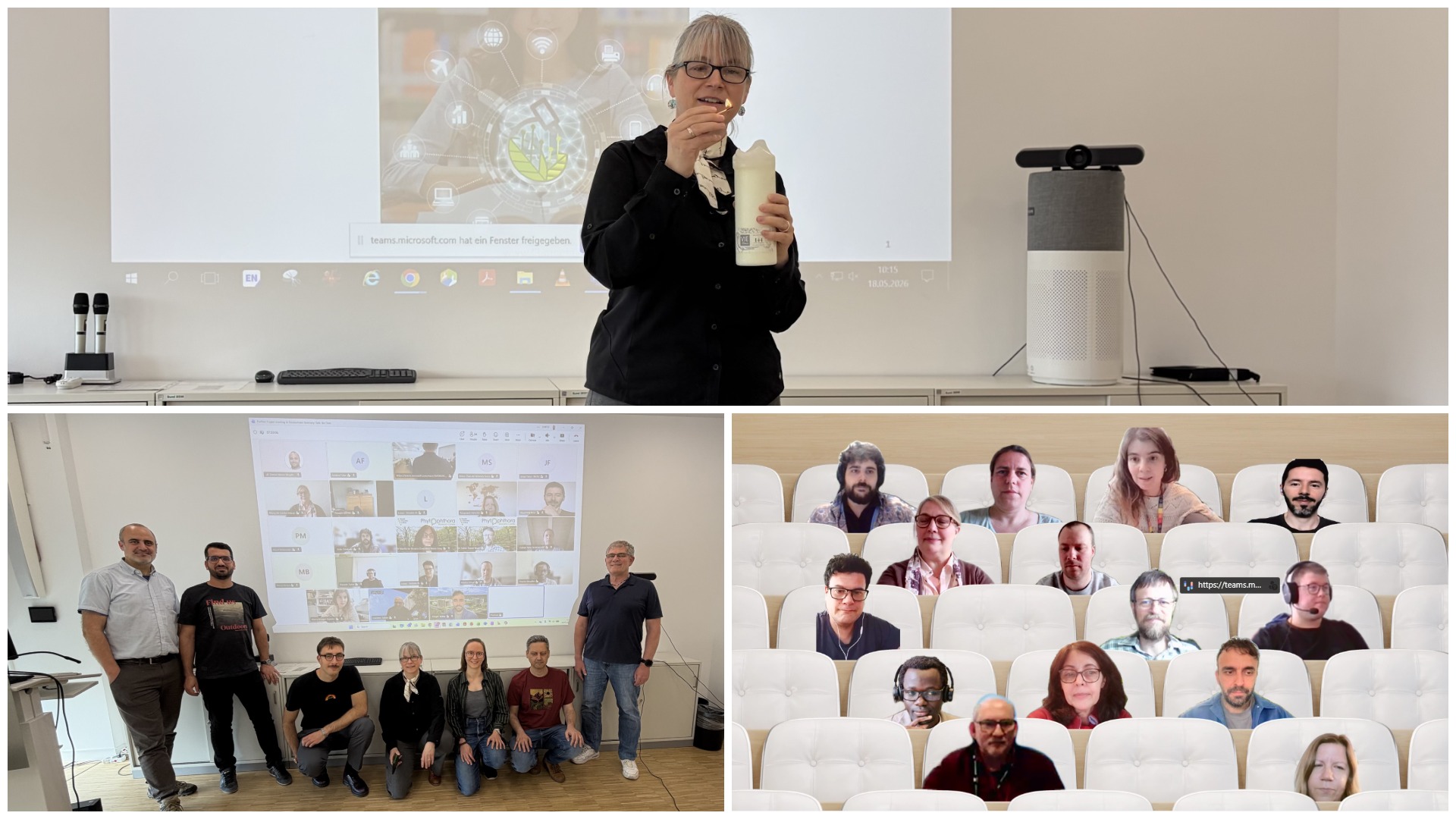
As Europe faces increasing threats from invasive plant pests and pathogens, the PurPest consortium is developing innovative sensor technologies to detect outbreaks before they spread. From May 18–19, the consortium convened at the Julius Kühn-Institut in Dossenheim, Germany, to finalize technical priorities and validation strategies for the project's remaining 13 months.
To maximize impact within the project timeline, the consortium prioritized the most mature sensor platforms for field deployment: micro-GC and PID-based systems. Rather than pursuing single-use configurations, the team is focusing on adaptable sensor system prototypes (SSPs) that operate across multiple host species and testing conditions, a critical requirement for practical biosecurity applications.
The meeting advanced VOC data analysis practices, with partners aligning on GC-MS peak integration strategies, statistical approaches, and automated processing pipelines. To improve consistency and reproducibility across laboratories, the consortium committed to expanding intercomparison campaigns in which partners will analyze identical datasets using their own tools and compare results. These collaborative exercises will validate analytical pipelines and harmonize data-processing practices across the network.
The team also reaffirmed its commitment to FAIR data principles, with plans to publish datasets in open repositories. Building on this foundation, partners outlined strategies to maximize the visibility and impact of project results through targeted dissemination, stakeholder engagement, and exploitation planning.
Looking ahead, the consortium is preparing controlled field campaigns alongside applied trials in nurseries and phytosanitary inspection facilities. These activities will provide critical validation data for the sensor systems under real-world conditions and support the transition from laboratory protocols to field deployment.
With 13 months remaining in the extended project period, the PurPest team is focused on delivering field-tested sensor systems, validated analytical methods, and practical protocols for the early detection of quarantine pests and pathogens. The consortium continues to work closely with stakeholders across the plant health sector to ensure the project's outputs address operational biosecurity needs and support future commercial applications.